Towing That Protects Modern Drivetrains
Light-Duty Towing in Louisburg for passenger vehicles, trucks, and SUVs across Franklin County
Hayes Towing & Recovery handles light-duty towing for standard passenger vehicles, trucks, and SUVs across Franklin County, serving drivers who need safe transport after breakdowns, collisions, or mechanical failures. Rural roads like NC-56 and high-traffic corridors like US-401 see regular vehicle recovery needs year-round, with mud season and deer season collisions adding to the volume of calls from drivers who need help getting off the roadway. Light-duty towing protects your vehicle's drivetrain by matching the right equipment—wheel-lift or flatbed—to your vehicle's powertrain configuration.
Modern all-wheel-drive systems and electronically controlled transmissions require flatbed transport to prevent damage during towing, while rear-wheel-drive vehicles can be safely moved using wheel-lift equipment that keeps the drive wheels off the pavement. Selecting the wrong method can cause transmission damage or differential wear that shows up after the tow is complete. Franklin County dispatch means a local operator answers your call and selects the appropriate equipment based on your vehicle's make and drivetrain layout.
Schedule a tow based on your vehicle's specific needs and current location in Franklin County.
What Proper Equipment Selection Prevents
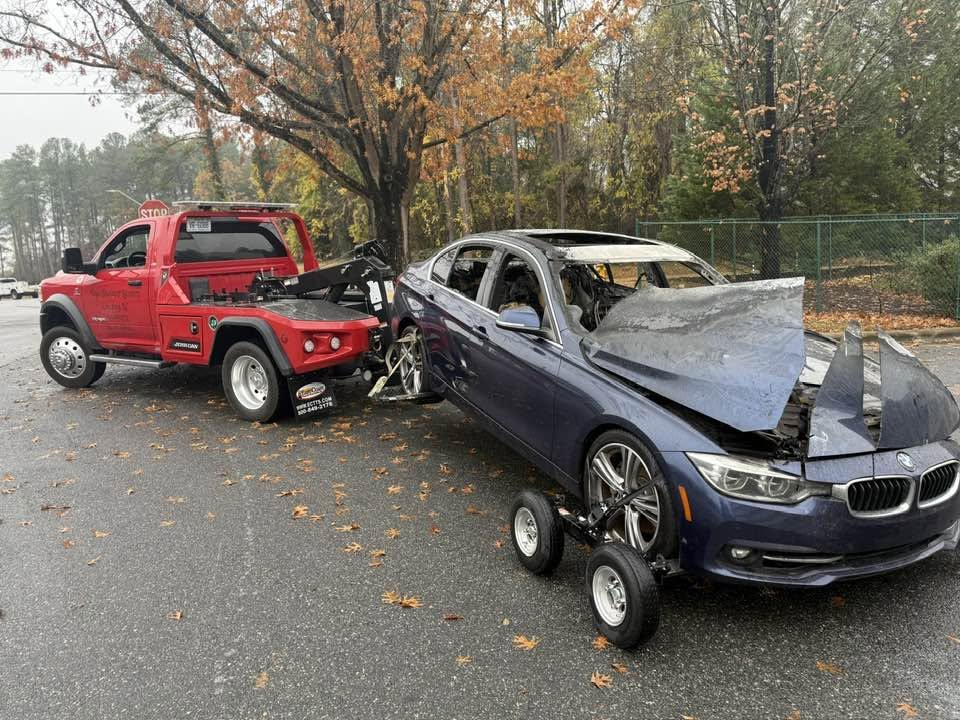
Light-duty towing involves inspecting your vehicle's condition, securing it to the tow equipment using frame contact points or tire cradles, and transporting it to your chosen repair facility or storage location. Hayes Towing & Recovery uses wheel-lift trucks for two-wheel-drive vehicles where the non-drive axle can remain on the ground, and flatbed carriers for all-wheel-drive vehicles, luxury cars, and anything with low ground clearance that would be damaged by traditional towing methods.
After the tow is complete, your vehicle arrives without new scrapes on the undercarriage, no strain on the transmission from being dragged in gear, and no damage to suspension components from improper lift points. You avoid the costly repairs that result from drivetrain components being forced to rotate during transport or frame rails being bent by equipment placed on cosmetic body panels instead of structural contact points.
Licensed and insured operators verify your vehicle's drivetrain type before selecting equipment, confirm that all four wheels are either off the ground or that only non-drive wheels are in contact with the road, and document the vehicle's condition before
transport begins. Rural Franklin County roads require operators who know how to work in low-traffic areas where positioning the tow truck safely takes more planning than it does on a wide urban shoulder.
Our Services
Common Questions About This Service
Drivers in Franklin County often ask about light-duty towing before they call for service, especially when stranded after dark on rural stretches where help feels far away.
What vehicles qualify as light-duty for towing purposes?
Light-duty towing covers passenger cars, pickup trucks, SUVs, and vans with a gross vehicle weight rating under 10,000 pounds, which includes nearly every personal vehicle on Franklin County roads.
How does wheel-lift towing differ from flatbed towing in terms of vehicle safety?
Wheel-lift towing lifts one axle off the ground while the other remains in contact with the road, which works only for two-wheel-drive vehicles, while flatbed towing loads the entire vehicle onto a flat platform and is required for all-wheel-drive systems to prevent transmission damage.
When should I request a flatbed instead of a standard tow truck?
You need a flatbed if your vehicle has all-wheel drive, a manual transmission in some configurations, severe front-end damage that prevents wheel-lift contact, or low ground clearance that would cause scraping during traditional towing.
How long does it take for a tow truck to arrive on US-401 or rural county roads in Louisburg?
Local dispatch from Franklin County means faster response than out-of-area companies routing calls through regional centers, with arrival times depending on your exact location and current road conditions.
What happens to my vehicle after it's towed off the roadway?
Your vehicle is transported directly to the repair shop, storage facility, or address you specify, with documentation of its condition at pickup to protect you from disputes about pre-existing damage.
Hayes Towing & Recovery operates with local Franklin County knowledge of rural roads and seasonal conditions that affect
vehicle recovery. Arrange a tow from your current roadside location by calling a licensed operator who selects the right equipment for your vehicle's drivetrain.